You can do everything right at bedtime — dark room, no caffeine, phone across the room — and still lie there wired. That's because sleep isn't really the problem. The problem is a nervous system that never actually clocked out.
"Go" mode and "rest" mode
Your autonomic nervous system has two gears. The sympathetic branch is the accelerator — alert, focused, ready for action. The parasympathetic branch is the brake — digestion, repair, calm, sleep. You're meant to move between them all day.
Modern life keeps a foot on the accelerator. Notifications, deadlines, doomscrolling, back-to-back everything. By night, the brake pedal has gone stiff from disuse, and "just relax" stops being something you can do on command.
You can't sleep your way out of a body that never left "go" mode. Winding down is a skill — and your environment can do half the work.
Downshifting is a learnable skill
The parasympathetic side responds to signals: slow breathing, dim light, warmth, stillness, and routine. The more reliably you send those signals, the faster your body learns to take the off-ramp. A consistent wind-down ritual is basically training — you're teaching your nervous system that this sequence means "we're done for the day."
Where a recovery ritual fits
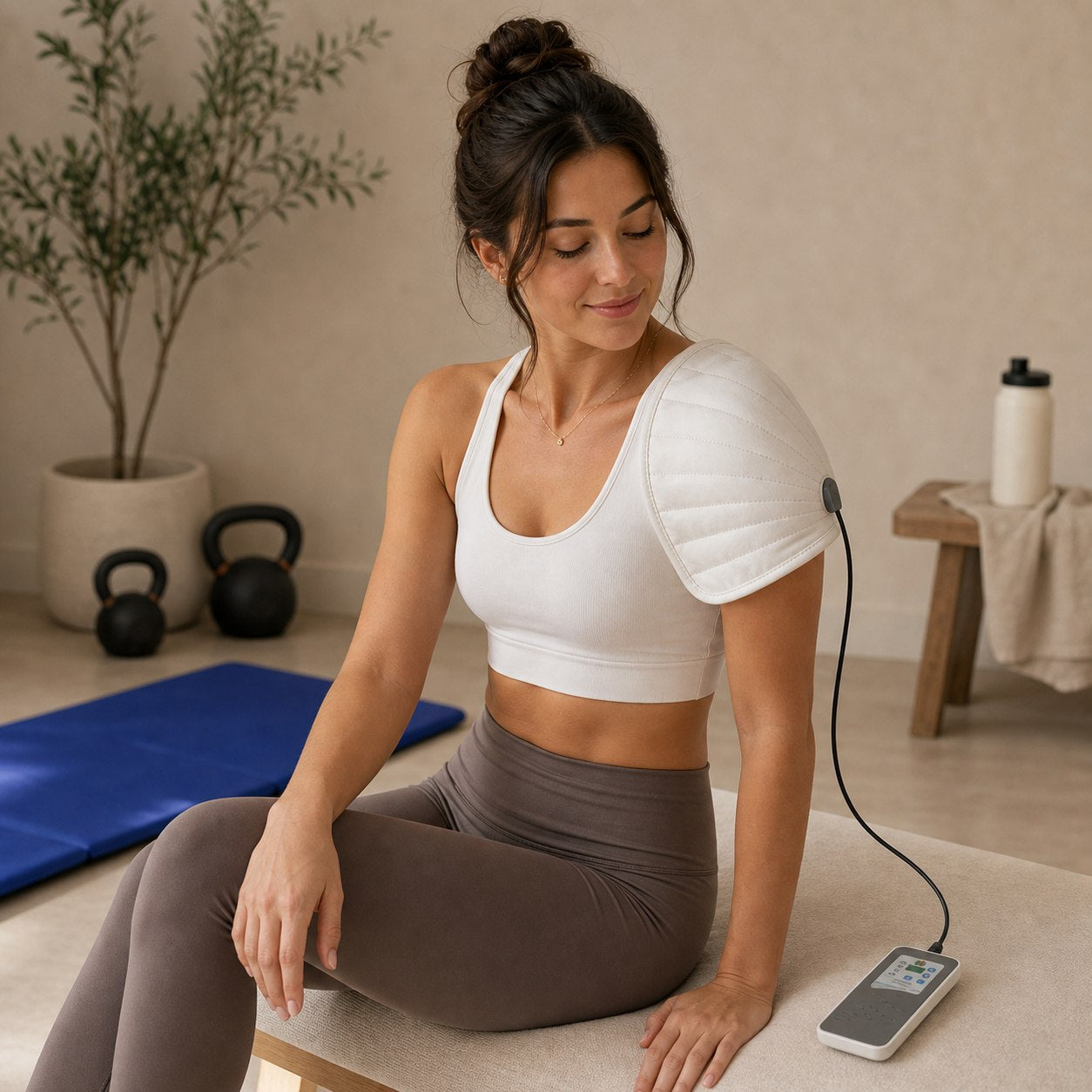
This is the quiet case for a nightly PEMF session. Not as a sedative — as a cue. Lying still for twenty low-stimulation minutes, away from screens, gives the brake pedal a chance to engage. Pair it with slow breathing and lower light and you've built a repeatable signal that the day is closing.
A simple wind-down stack
- Dim the lights an hour before bed — your brain reads bright light as daytime.
- Put the phone to bed before you do.
- Twenty quiet minutes of stillness — mat, breath, or both.
- Same order, every night, so it becomes automatic.
None of this is dramatic. That's the point. A nervous system with a working off-switch doesn't need to be forced into sleep — it just goes.
These statements have not been evaluated by the Food and Drug Administration. Innate Wellness products are not intended to diagnose, treat, cure, or prevent any disease or medical condition. This article is general information, not medical advice — consult your healthcare provider before starting PEMF, especially if you are pregnant or have epilepsy, a bleeding disorder, a pacemaker, or other electronic implants.